

One missing letter can turn a winning moment into a spelling mistake! Whether you’re writing a congratulatory message, sharing sports news, or celebrating a contest winner, the right spelling matters. Many people type quickly and accidentally leave out a letter. That tiny slip can make them pause and wonder which version is correct. So, is it winner or winer? The answer is easier than you might think.
The word winner describes someone who wins a game, earns a prize, or achieves first place. You’ll often see it in school assignments, business emails, news reports, and social media captions. But why does this word need two n’s? There’s a simple English spelling rule behind it. Once you understand how the word forms, you’ll find it easier to remember the correct spelling and avoid this common mistake. Let’s break it down with clear rules and everyday examples.
Winner or Winer – Quick Answer
Are you confused about winner or winer? You’re not alone. Many people make this spelling mistake when typing quickly on phones, laptops, or tablets. However, the correct spelling depends on what you want to say.
Winner is the standard English spelling for a person or team that wins a competition, contest, or prize. The word describes someone who achieves victory or success.
Winer, on the other hand, isn’t the standard spelling when you mean someone who wins. People often type it by mistake because they drop one letter.
Examples:
- Correct: She is the winner of the singing competition.
- Incorrect: She is the winer of the singing competition.
Imagine writing a congratulatory email after a final match. Using the correct spelling makes your message clearer and more polished.
If you’re wondering how to spell winner, remember to write two n’s. A quick spell check or proofreading pass can help you catch this common typo.
Winner or Winer Meaning
The word winner is a noun. It describes a person or team that wins a game, competition, contest, or award.
A winner might receive a prize, certificate, or public recognition. The word also describes someone who achieves success in a difficult situation.
For example, a student who earns first place in a school competition becomes its winner. Likewise, the team that defeats its opponent in a final match earns the title.
Consider this conversation:
- Alex: Who is the winner of the contest?
- Mia: Sarah won first place!
- Alex: That’s great. She really deserves the award.
Here, winner refers to Sarah because she achieved victory.
But is winer a word? It isn’t the standard spelling for a person who wins. In some specialized contexts, winer can refer to someone involved in winemaking. Therefore, context matters when deciding whether a spelling is correct.
Simple rule
Here’s an easy way to remember the correct spelling: win + er = winner.
The verb win becomes winner when you add the suffix -er. This suffix often identifies the person who performs an action.
Look at these familiar examples:
- Run → runner
- Teach → teacher
- Sing → singer
- Win → winner
Notice how runner and winner contain double consonants. English spelling rules often double the final consonant when a short verb ends in a single vowel followed by a consonant and takes a vowel-starting suffix.
Quick conversation:
- Sam: Is it spelled winner or winer?
- Lee: Winner, with two n’s.
- Sam: Got it! I’ll remember the double n.
Whether you’re writing school assignments, business emails, or social media captions, use winner when describing someone who wins. This simple rule helps you avoid a common spelling error.
The Origin of Winner or Winer

The word winner comes from the English verb win. The verb describes achieving victory, gaining something, or succeeding in an effort.
English commonly uses the suffix -er to form nouns that identify people who perform actions. For example, a person who teaches is a teacher, while someone who sings is a singer.
The same word formation rule helps explain winner. However, the spelling includes an important detail: the final consonant doubles.
Here’s the pattern:
- Run → runner
- Win → winner
- Teach → teacher
- Sing → singer
The verbs run and win double their final consonants before adding -er. The verbs teach and sing don’t follow that same doubling pattern because their endings differ.
Why does winner have two n’s?
The double n follows a common English spelling pattern. When a short, stressed verb ends in one vowel followed by one consonant, writers often double that consonant before adding a vowel-starting suffix.
For example, win becomes winner, not winer. The extra letter preserves the expected spelling pattern.
Language history also helps explain why familiar spellings remain stable over time. Although English has borrowed words and changed its spelling conventions, winner remains the accepted form for someone who wins.
By contrast, winer doesn’t serve as the standard alternative spelling of winner. It often appears because someone types too fast, misses a letter, or relies too heavily on autocorrect.
Example conversation:
- Nina: Why does winner have two n’s?
- Jack: Because the spelling doubles the final consonant before adding -er.
- Nina: So, I should never drop the second n when I mean someone who wins?
That’s right. Remembering this pattern can improve your spelling and make your writing more confident.
For more spelling guidance, you can also read about Chello or Cello and Quizes or Quizzes.
British English vs American English Spelling
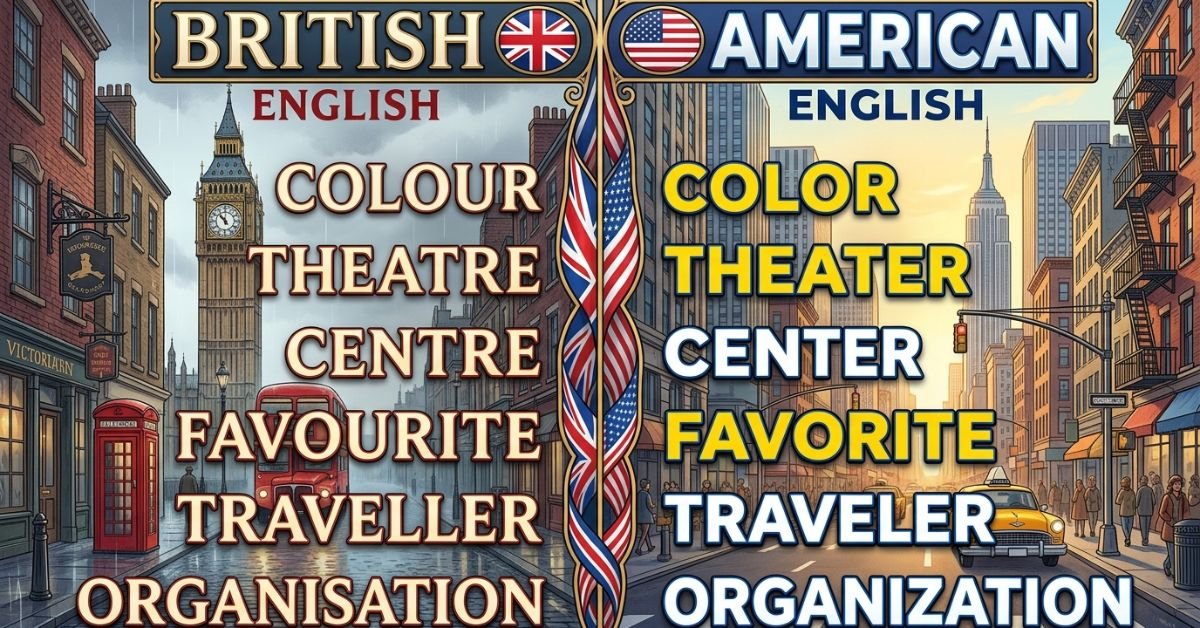
Some English words have different spellings in the UK and US. For example, British writers use colour, while American writers usually write color. However, winner or winer isn’t a regional spelling difference.
Both British English and American English use winner when referring to a person or team that wins. The same spelling applies in Australia, the Commonwealth, and international English.
Here’s a quick comparison table:
| Word | British English | American English |
| Winner | Correct | Correct |
| Winer | Not standard for someone who wins | Not standard for someone who wins |
You don’t need to change the spelling for a UK or US audience. Just keep the double n.
Which spelling should you use?
The correct choice stays the same across different writing situations. Whether you’re preparing academic writing, professional reports, business emails, or casual messages, use winner to describe someone who wins.
Consider these examples:
- British English: The winner received a certificate.
- American English: The winner received an award.
- Australian English: The winner celebrated with the team.
- International English: The winner earned first place in the competition.
Each sentence uses the same spelling.
Quick conversation:
- Chris: Should I write winer for a British audience?
- Taylor: No. Use winner in both British and American English.
- Chris: What if my readers live in Australia?
- Taylor: The spelling stays the same.
Before submitting formal writing or publishing news, check your work with a dictionary or spell check tool. Although autocorrect can catch some mistakes, it doesn’t always identify the word you intended.
If you want to improve your overall spelling, reviewing similar comparisons such as Genious or Genius can help you recognize common English spelling patterns.
The key takeaway is simple: winner is the standard spelling in both British and American English. Keep the double n, and your writing will remain clear for a global audience.
Which Spelling Should You Use?
When choosing between winner or winer, use winner when you mean a person or team that wins. This spelling follows standard English rules and works in almost every everyday situation.
Whether you’re writing a school assignment, business email, sports article, or social media caption, the correct spelling stays the same. You don’t need a different version for British English or American English.
Here are a few examples:
- Academic writing: The winner received a certificate for outstanding performance.
- Business writing: We will announce the winner after reviewing all entries.
- Casual writing: You’re a winner in my eyes!
- Sports news: The winner scored twice during the final match.
Quick conversation:
- Alex: Should I write winer in this email?
- Jamie: No, write winner with two n’s.
If you’re unsure how to spell winner, check a dictionary or use a spell check tool. Proofreading also helps you catch missed letters before sending important messages.
Remember, winer isn’t the standard spelling for someone who wins. Using winner keeps your writing clear, accurate, and professional.
Common Mistakes with Winner or Winer

Small spelling errors can slip into your writing, especially when you’re typing too fast. The confusion between winner and winer often happens because someone accidentally drops the second n.
Fortunately, a few simple habits can help you avoid this mistake.
Here are common errors to watch for:
- Dropping a letter: Writing winer instead of winner.
- Typing too quickly: Missing letters while using phones, laptops, or tablets.
- Trusting autocorrect: Assuming your device will catch every spelling error.
- Skipping proofreading: Sending an email without checking the final text.
- Guessing the spelling: Choosing winer because it looks shorter or simpler.
For example, imagine writing, The winner will receive the prize tomorrow. If you accidentally type winer, the sentence contains a spelling error when you mean the person who wins.
Quick conversation:
- Mia: I wrote winer in my competition announcement.
- Noah: Change it to winner before publishing.
- Mia: Good catch! I’ll check it again.
To avoid this habit, remember the win + er spelling pattern and look for the double n. A dictionary or spell check tool can help, too.
These small checks protect clarity and credibility, especially in formal writing and professional communication.
Winner or Winer in Everyday Examples
Seeing a word in real sentences makes its correct spelling easier to remember. The word winner appears in many situations, from friendly conversations to formal announcements.
It describes someone who wins a contest, receives an award, or achieves first place. You can also use it figuratively to describe someone who does something especially well.
Here are examples from everyday writing:
- Email: Congratulations to the winner of our annual contest!
- School assignment: The winner received a certificate for excellent work.
- Social media caption: Feeling like a winner today!
- Sports article: The winner scored the deciding goal in the final match.
- News report: Officials announced the winner after counting the votes.
- Business writing: Our team selected the winner of the customer giveaway.
Notice that every example uses winner with two n’s.
Quick conversation:
- Ella: Who’s the winner of the photography contest?
- Ryan: Daniel won first place.
- Ella: Great! His picture deserves the award.
When you write winer in these examples, readers may understand your meaning, but the spelling remains incorrect for the intended word.
Before publishing social media captions or sending important emails, review your spelling. A quick check helps your message look polished and confident.
Winer or Winner – Google Trends & Usage Data
People sometimes search Google for winer or winner because they aren’t sure which spelling to use. Search behavior can help writers understand what readers want to know. However, search volume alone doesn’t explain why someone enters a particular query.
Google Trends lets you compare interest in search terms over time and across selected regions. It uses relative search interest rather than reporting exact total search counts.
You can compare the terms winner and winer using Google Trends. Select your preferred region and time range to review the available data.
When interpreting the results, keep these points in mind:
- Search interest can change by region and time.
- A spelling query may reflect a typo or a request for clarification.
- Low search interest doesn’t prove that a term has no meaning.
- Trends data doesn’t provide a complete picture of dictionary usage.
Quick conversation:
- Liam: Does searching winer mean people use it correctly?
- Sophie: Not necessarily. They might be checking the spelling.
For accurate usage information, consult a reliable dictionary alongside search data. This approach helps distinguish common spelling mistakes from legitimate specialized uses.
Avoid claiming that one spelling receives a specific amount of traffic unless you have verified figures. Reliable usage data makes your content more trustworthy.
Winner vs Winer: Comparison Table
Still unsure about winner vs winer? A comparison table makes the difference easy to understand. The main point is simple: winner is the standard spelling when you describe someone who wins.
The word functions as a noun and refers to a person or team that achieves victory. By contrast, winer isn’t the standard spelling for this meaning.
| Feature | Winner | Winer |
| Standard spelling for someone who wins | Yes | No |
| Meaning | A person or team that wins | Not the standard form for this meaning |
| Example | She is the winner. | She is the winer. |
| Use in formal writing | Correct | Incorrect for the intended meaning |
| British English | Correct | Not a standard alternative |
| American English | Correct | Not a standard alternative |
Keep in mind that winer can appear in specialized contexts related to winemaking. That doesn’t make it an acceptable substitute for winner in a competition sentence.
Quick conversation:
- Ava: Is winer ever correct?
- Ethan: It can appear in specialized contexts, but use winner for someone who wins.
If you remember one rule, make it this: winner has two n’s. Check a dictionary whenever you’re unsure, and proofread important writing before sharing it.
FAQs About Winner or Winer
1. Is winner or winer the correct spelling?
Winner is the correct spelling for someone who wins a game, contest, or competition. Winer is not standard for this meaning.
2. Why does winner have two n’s?
Winner doubles the final n when adding the suffix -er to win. This follows a common English spelling rule.
3. Is winer a real word?
Winer can appear in rare contexts related to winemaking, but it is not the standard spelling for someone who wins.
4. Do British and American English spell winner differently?
No, both British and American English use winner. The spelling stays the same in formal writing, schoolwork, and everyday messages.
5. How can I remember the correct spelling of winner?
Remember that winner comes from win plus -er. Double the n, then proofread your writing to catch spelling mistakes.
Conclusion
The spelling winer can confuse many people, especially when they type quickly. However, winner is the correct spelling when you mean someone who wins a game, contest, or competition. The difference is just one letter, but it matters. Remember that winner comes from the word win with the suffix -er. The extra n makes the spelling correct. This simple rule can help you avoid the same mistake in the future.
When you are unsure about winer or winner, take a moment to check your spelling. Use a dictionary or spell check to catch errors. Remember, winer is not the standard spelling for a person who wins. You should use winner in school assignments, business emails, sports articles, and social media posts. Learning the difference between winer and winner helps you write clearly. With regular practice, you can remember the correct spelling and feel more confident in your everyday writing.

Muaz is a language enthusiast and content writer at Businessleam, creating clear, helpful articles about words, meanings, grammar, phrases, and modern English.