

Ever typed a word that sounded right but looked wrong on the screen? Jist or gist can cause exactly that confusion. You may hear the word in a fast conversation and assume it starts with a “j” sound. That small pronunciation trap often leads to a spelling error. It can show up in emails, essays, school writing, blogs, and social media posts. For English learners, the confusion can feel surprisingly tricky.
The answer is much easier than it seems. Gist is the correct spelling. It means the main idea, main point, or basic meaning of something. You might ask for the gist of a story, meeting, report, or conversation when you want only the essential information. Once you learn the difference, this common mistake becomes easy to avoid. A simple spelling rule can make your writing clearer, sharper, and more confident.
Jist or Gist – Quick Answer
The correct spelling is gist, not jist.
When you mean the main idea, main point, or essence, always write gist.
Jist is a common spelling mistake. People often write it because of its pronunciation in spoken English. In fast conversation, the word can sound like it begins with a “j” sound.
The basic meaning of gist is the central idea of something. It can describe a story, meeting, report, lesson, or conversation.
- ✅ Correct: I understand the gist of the meeting.
- ❌ Incorrect: I understand the jist of the meeting.
- ✅ Correct: Can you give me the gist of the report?
- ❌ Incorrect: Can you give me the jist of the report?
Conversation example:
Sam: Did you read the whole report?
Alex: No, but I got the gist.
So, remember this simple rule: gist is correct, while jist is a misspelling.
The Origin of Jist or Gist

The word gist has an interesting word origin.
It comes from Old French, particularly gésir, meaning “to lie” or “to rest.”
The word later entered legal English. It referred to the main point a case rests on. Over time, its meaning became broader and easier to understand.
Today, gist means the central idea or core point of something. It can also mean the essential part or essence of a message.
- Old French: gésir
- Original sense: to lie or to rest
- Legal English: the main point a case rests on
- Modern English: the main idea or key point
The spelling jist doesn’t represent an accepted old language form. It usually results from hearing the word incorrectly.
Conversation example:
Mia: Why isn’t it spelled jist?
Noah: Because gist is the standard English spelling.
Knowing this history can improve your spelling awareness and help you remember the correct form.
British English vs American English Spelling
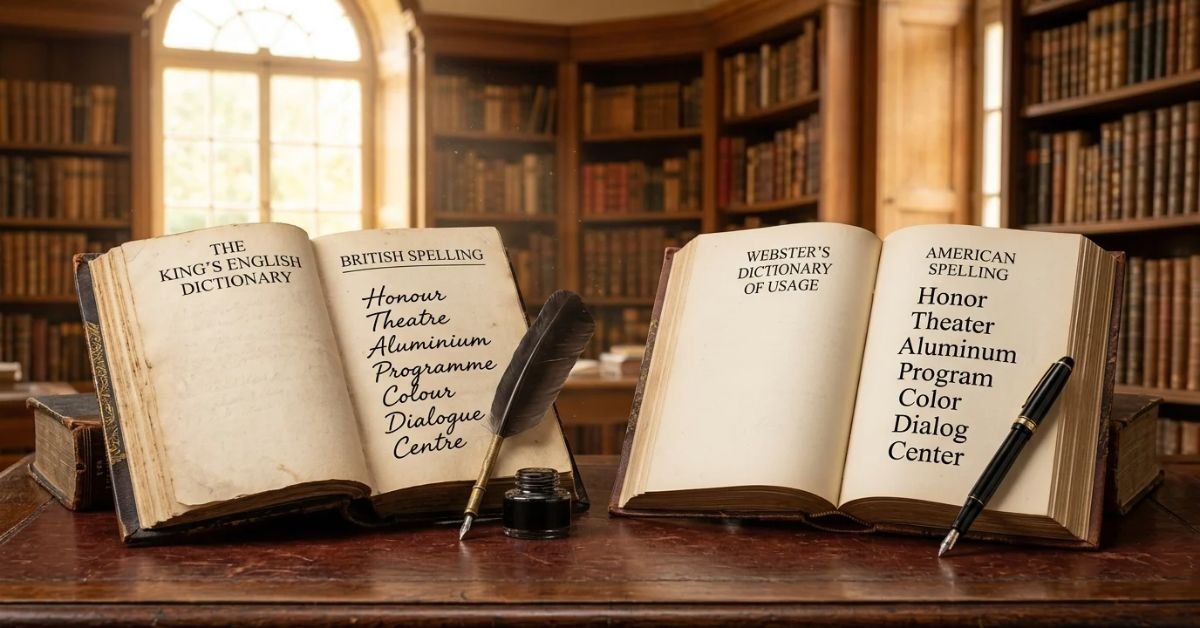
Good news: there are no major regional differences here.
Both British English and American English use gist with the same spelling and meaning.
The same rule applies to a US audience, a UK audience, and a global audience. You don’t need a different spelling for different regions.
| Form | British English | American English | Correct? |
| gist | Used | Used | ✅ Yes |
| jist | Not standard | Not standard | ❌ No |
You may see gist in writing across Canada, Australia, India, and other English-speaking regions. The word works naturally in both formal writing and informal conversations.
Conversation example:
Liam: Should I use jist for British readers?
Emma: No. Use gist for both British and American readers.
This makes the choice simple. Whether you’re writing an email, essay, blog, or social media post, gist remains the correct spelling.
Which Spelling Should You Use?
Always choose gist when you mean the main idea or key point.
It works in professional writing, school writing, everyday messages, and casual conversations.
You can use gist when talking about:
- The gist of a meeting
- The gist of a report
- The gist of a lesson
- The gist of a research summary
- The gist of a news article
- The gist of a new policy
- The gist of a story
For example, you might say, Please give me the gist of the plan. You could also say, I understand the gist of the problem.
Conversation example:
Manager: Did you read the full proposal?
Employee: Not yet, but I understand the gist.
Students, bloggers, professionals, and other English learners can safely use gist. It sounds natural in both formal and informal writing.
Using the correct spelling also improves clarity, writing quality, and confidence in writing. Avoid jist because it can make an otherwise clear sentence look careless.
Common Mistakes with Jist or Gist
The biggest mistake is writing jist when you mean gist.
This happens because pronunciation can influence spelling, especially during fast typing or after hearing the word in conversation.
Here are some common mistakes:
- ❌ What is the jist of the problem?
- ✅ What is the gist of the problem?
- ❌ I didn’t get the jist of the lesson.
- ✅ I didn’t get the gist of the lesson.
- ❌ Can you summarize the jist?
- ✅ Can you summarize the gist?
Conversation example:
Sara: Can you share the jist of the story?
Tom: Use gist instead. That’s the correct spelling.
Spellcheck tools and grammar tools may catch some errors. Still, spelling awareness matters because you shouldn’t rely on software alone.
Remember: gist = main idea. Once that connection sticks, you’ll know which spelling to choose in emails, essays, reports, blogs, and workplace communication.
H2: Jist or Gist in Everyday Examples
H2: Jist or Gist – Google Trends & Usage Data
H2: Comparison Table: Jist vs Gist
FAQs
Is gist a real word?
Yes, gist is a real English word meaning the main idea or key point. In jist or gist, choose gist.
Is jist ever correct?
No, jist is not the standard spelling. When choosing between jist or gist, always use gist in English writing.
Why do people write jist?
People often write jist because gist sounds like it starts with j. Pronunciation can cause confusion between jist or gist.
Is gist formal or informal?
Gist works in both formal and informal writing. In jist or gist, gist is suitable for emails, reports, conversations, and essays.
Can I use gist in academic writing?
Yes, you can use gist in academic writing when discussing a text’s main idea, meaning, or key point. Choose gist over jist.
Does British English use gist?
Yes, British English uses gist with the same meaning. There is no spelling difference between British and American English for jist or gist.
What does gist mean in simple words?
Gist means the main idea or essential point. If you wonder about jist or gist, remember that gist is correct.
Conclusion
When you see jist or gist, remember that gist is the correct spelling. Gist means the main idea, main point, or basic meaning of something. You can use gist in emails, essays, reports, meetings, blogs, and social media posts. The spelling jist is a common mistake caused by pronunciation or fast typing. If you are unsure about jist or gist, choose gist every time. This simple rule works in US and British English.
Knowing the difference between jist or gist can improve your writing quality and confidence. It also helps you avoid a spelling error. Think of gist as the essential part of a story, lesson, plan, or conversation. When someone asks for the gist, they want the key point, not details. So, keep gist in mind whenever jist or gist causes confusion. Use gist, write clearly, and communicate confidently.

Muaz is a language enthusiast and content writer at Businessleam, creating clear, helpful articles about words, meanings, grammar, phrases, and modern English.