

Have you ever made a spelling mistake simply because a word sounds different from how it looks? You’re not alone! Even simple words can cause confusion, especially when they relate to music. One small spelling error can make your schoolwork, emails, or social media posts look less polished. A good example is the name of the beautiful string instrument known for its deep, rich sound. You may have heard it in an orchestra, a movie soundtrack, or your favorite song.
So, is it chello or cello? The answer is easier than you might think. The two spellings may look similar, but only one is correct for the musical instrument. This confusion often happens because the word begins with a sound that can trick your ears. Don’t worry! In this guide, you’ll learn the correct spelling, its meaning, and where the word comes from. You’ll also see simple examples to help you use it correctly every time.
Chello or Cello – Quick Answer
The correct spelling is cello, not chello. A cello is a large string instrument in the violin family. Musicians play it with a bow to create a deep, rich sound.
Many people write chello because they mishear the word or rely on phonetic spelling. The instrument’s pronunciation begins with a “ch” sound, even though its name starts with C. This can confuse beginners, students, and music lovers.
In standard English, chello is an incorrect spelling of the musical instrument. Major dictionaries recognize cello as the correct form.
Remember this simple rule when writing school assignments, music articles, or professional emails.
- Cello: Correct spelling of the musical instrument.
- Chello: Common misspelling or typo.
- Pronunciation: The initial sound resembles “ch.”
Examples
Examples make the difference between chello and cello easier to remember. You can use the correct spelling in everyday conversations, school assignments, and formal writing.
Here are a few examples:
- Correct: My sister practices the cello every evening.
- Incorrect: My sister practices the chello every evening.
- Correct: The cello adds a deep, rich sound to orchestral music.
- Incorrect: The chello adds a deep, rich sound to orchestral music.
- Correct: He started taking cello lessons last month.
Imagine a conversation between two music students:
Alex: Which instrument are you learning?
Mia: I’m learning the cello. Its sound is beautiful!
Alex: I thought it was spelled chello.
Mia: That’s a common mistake. The correct spelling starts with C.
These examples show why spelling matters. Whether you’re writing a social media caption or discussing classical music, always use cello.
The Origin of Chello or Cello
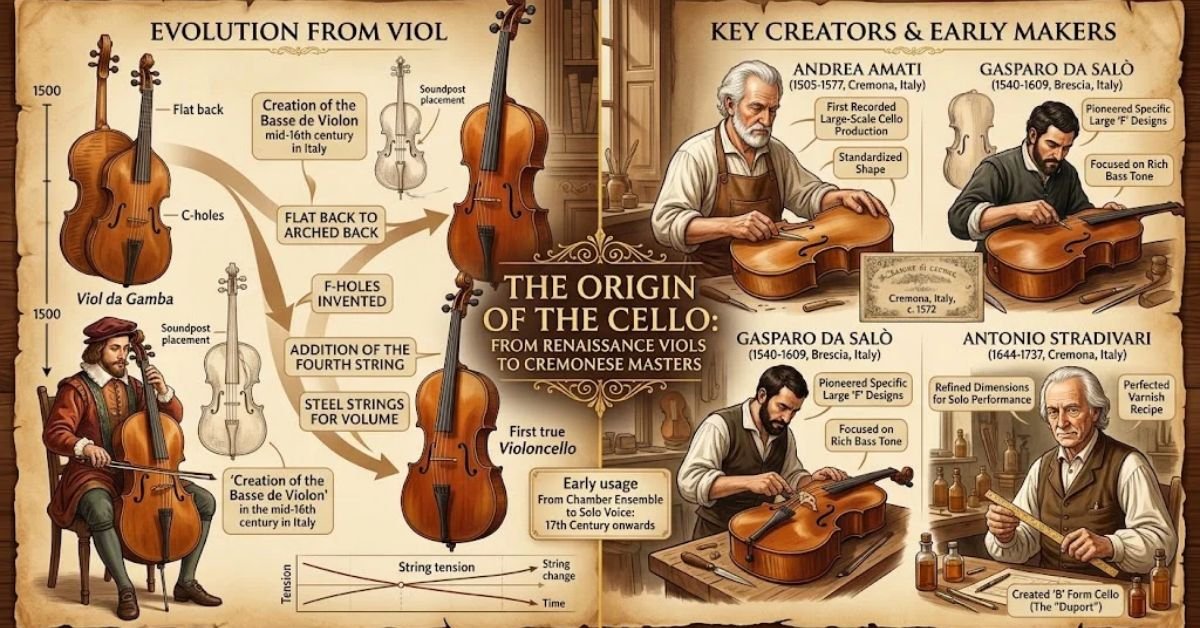
The word cello comes from the Italian word violoncello. This name developed from violone, a term for a large bass string instrument. The ending -cello is a diminutive form in Italian.
The name is sometimes explained as meaning “small large viola.” Although that phrase sounds unusual, it reflects the word’s historical roots in the family of bowed string instruments.
The cello became an important part of European classical music during the 17th century. Musicians used it in orchestras and chamber music because of its warm, expressive tone.
Over time, cello became the familiar shortened word for violoncello. The spelling chello did not develop from this Italian origin. It usually appears as a phonetic spelling mistake.
- Italian origin: Violoncello.
- Shortened form: Cello.
- Common use: Classical music, orchestras, and modern music performances.
British English vs American English Spelling
Some English words have different spellings in British English and American English. For example, writers may use colour in the United Kingdom and color in the United States.
However, cello has the same spelling in both varieties. There is no regional variation for the standard name of this musical instrument.
The same spelling applies in Canada and Australia. Writers in Germany who use English also generally use cello when referring to the instrument.
| Word | British English | American English |
| Cello | Correct | Correct |
| Chello | Incorrect | Incorrect |
| Violoncello | Correct | Correct |
You don’t need to memorize two versions of this word. Use cello in school assignments, news articles, music guides, and professional writing.
For example, whether you’re writing for a reader in London or New York, the sentence remains the same: “She plays the cello in an orchestra.”
Which Spelling Should You Use?
Always use cello when referring to the musical instrument. This spelling appears in standard English dictionaries and is accepted in formal and informal writing.
The word works in many situations. You might discuss music lessons with a friend, describe a concert in the news, or write about a musician who won a national award.
Here are some places where the correct spelling matters:
- School assignments: Explain how the cello belongs to the violin family.
- Emails: Ask a music teacher about beginner cello lessons.
- Professional writing: Describe the cello’s role in orchestral music.
- Social media: Share a video of your cello practice.
- Music articles: Compare the cello with the viola or violin.
Consider this conversation:
Sam: I’m buying a chello for my first music lesson.
Teacher: That’s exciting! Just remember that the instrument is spelled cello.
Choosing the correct spelling helps your writing look clear and polished. When in doubt, check a reliable dictionary before publishing.
Common Mistakes with Chello or Cello
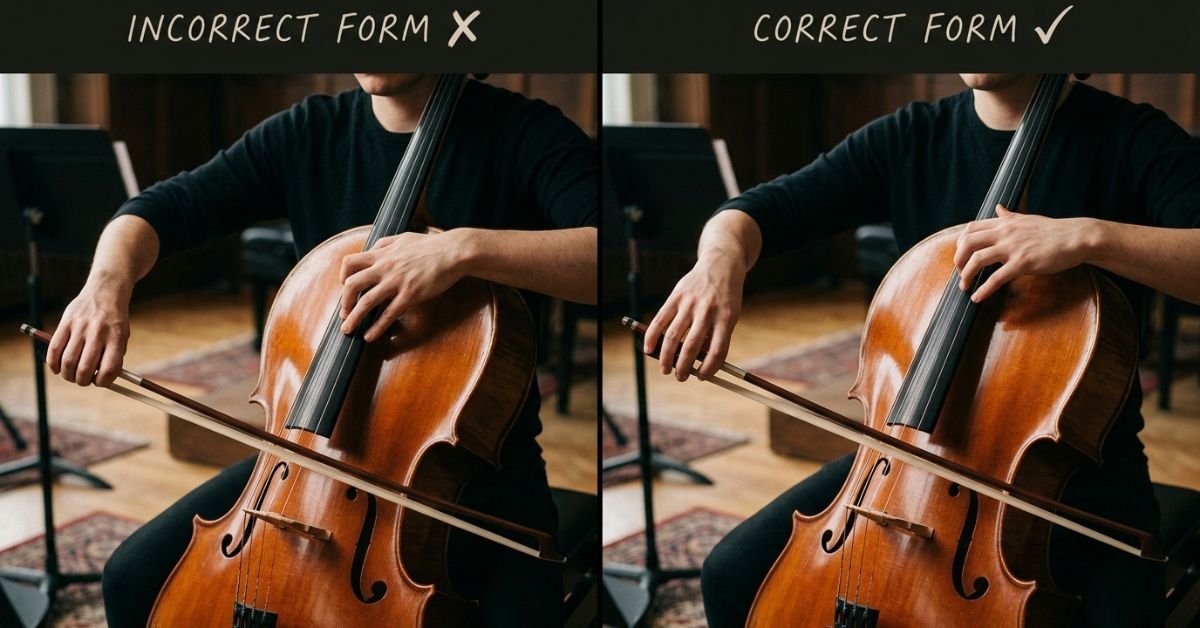
The spelling mistake usually happens because people write words the way they hear them. Since cello begins with a “ch” sound, chello may look logical to someone unfamiliar with the instrument.
However, pronunciation and spelling don’t always match in English. This is why students, beginners, and writers sometimes make the same typo.
Keep these simple points in mind:
- The correct spelling begins with C.
- The word has two syllables.
- The spelling stays the same in British and American English.
- A dictionary can help you confirm unfamiliar words.
The following examples show common mistakes and their corrections. Once you recognize the pattern, you’ll find it easier to avoid the error in everyday writing.
Mistake 1
Writing chello because the pronunciation sounds similar is a common spelling error. People often rely on the sounds they hear rather than checking the correct spelling.
For example:
- Incorrect: My brother plays the chello in the school band.
- Correct: My brother plays the cello in the school band.
The cello is a bowed string instrument. Its sound can be warm, deep, and expressive.
If you’re writing about music lessons or an orchestra, check the spelling before submitting your work. A quick dictionary search can prevent this simple typo.
Remember: The instrument’s name starts with C, even though its pronunciation starts with a “ch” sound.
Mistake 2
Another mistake is using chello in formal writing. This can happen when students finish assignments quickly or writers type without proofreading.
For example:
- Incorrect: The chello plays an important role in classical music.
- Correct: The cello plays an important role in classical music.
The correct version works in essays, concert reviews, news reports, and music guides.
Imagine writing about a musician performing with an orchestra. Using the correct spelling makes your sentence clearer and more professional.
Before sending an email or publishing an article, read it once more. Spell-check tools may not catch every unusual typo, so checking the word yourself is still helpful.
Mistake 3
The third mistake involves confusing pronunciation with spelling. English contains many words whose sounds don’t match the letters people expect.
For example, someone might hear a musician mention the cello and assume the word begins with “ch.” That assumption can lead to the incorrect spelling chello.
Compare these sentences:
- Incorrect: She wants to learn the chello this summer.
- Correct: She wants to learn the cello this summer.
You can avoid this mistake by remembering the instrument’s Italian name, violoncello. Its shortened form is cello, not chello.
When you see the word in a music article or dictionary, pay attention to its spelling. A little practice will help you remember it whenever you write about classical music, orchestras, or your favorite musicians.
Chello or Cello in Everyday Examples

You may see the words chello and cello while reading music articles, chatting with friends, or searching online. However, only cello is the correct spelling for the musical instrument in standard English.
The confusion often comes from pronunciation. Since cello begins with a “ch” sound, some people use phonetic spelling and accidentally type chello.
Here are examples of how to use the correct spelling in everyday situations:
- Email: Ask a music teacher about beginner cello lessons.
- News: Read about a musician who performed a beautiful cello solo.
- Social media: Share a video of your cello practice.
- Formal writing: Explain the cello’s role in orchestral music.
For example, imagine a friend says, “I’m learning the chello.” You can gently correct them by saying, “That’s great! The instrument is spelled cello.”
Small spelling details matter. Using the right word makes your writing clearer and easier to understand.
Emails often include conversations about school, music lessons, concerts, and personal interests. If you’re writing to a music teacher, make sure you spell cello correctly.
For example, you might write:
Subject: Beginner Cello Lessons
Hello Ms. Parker,
I’m interested in learning the cello and would like to ask about your beginner music lessons. Could you please share your available class times and fees?
Thank you for your help.
Best regards, Alex
Notice that the example uses cello, not chello. The incorrect version might confuse readers or make your email look less polished.
If you aren’t sure about a word, check a dictionary before sending your message. This simple habit helps students, parents, and music lovers write clearer emails.
News
News articles often discuss concerts, musicians, music competitions, and orchestral performances. Using the correct spelling helps readers understand the story without distraction.
For example:
- Correct: A young musician won a national award for her outstanding cello performance.
- Incorrect: A young musician won a national award for her outstanding chello performance.
The first sentence follows standard English spelling. The second contains a typo.
You might also see the word cello in stories about classical music, chamber music, or modern music performances. It describes the instrument, not a different musical style.
Imagine reading a news report about a student who performs with a local orchestra. The correct spelling keeps the article professional and easy to follow.
Writers should proofread musical terms before publishing their stories.
Social Media
Social media posts move quickly, so spelling mistakes can happen easily. You might type chello when sharing a concert clip or posting about your first music lesson.
However, cello remains the correct spelling on Instagram, TikTok, Facebook, and other platforms.
Here are a few examples:
- “Practicing the cello until every note feels right.”
- “That deep cello sound makes this song unforgettable.”
- “My first cello lesson was harder than expected!”
- “A beautiful cello melody can change your mood.”
Imagine this conversation in the comments:
Jamie: Is that a chello in your video?
Taylor: Almost! It’s spelled cello. I’m still learning to play it.
Using the correct word makes your caption easier to understand. It also helps people find relevant posts when they search for cello performances, instrument guides, or music lessons.
Formal Writing
Formal writing requires accurate spelling and clear wording. You may need the word cello in a school assignment, research paper, concert review, or professional music article.
The correct spelling helps your work look reliable. In contrast, chello is an incorrect spelling when you mean the musical instrument.
Consider these examples:
- School assignment: The cello belongs to the violin family of string instruments.
- Music report: The cello produces a deep, rich sound that complements orchestral music.
- Professional article: Many musicians study the cello before joining chamber music groups.
Suppose you’re writing about the differences between a violin, viola, and cello. Check every instrument name before submitting your work.
A spell-checker can help, but don’t rely on it entirely. Proofreading and consulting a dictionary can catch errors that automated tools miss.
Chello or Cello – Google Trends & Usage Data
People search for both chello and cello because the words can sound similar. However, they don’t have the same status in standard English.
The word cello refers to a bowed string instrument. By contrast, chello is generally a misspelling when someone intends to name that instrument.
Google Trends can help compare search interest for the two terms over a selected period. It reports relative search popularity rather than exact search counts.
Before drawing conclusions, consider the selected dates, location, and search category. A spelling query may also include unrelated names or uses.
Useful ways to investigate the topic include:
- Compare chello and cello in Google Trends.
- Check dictionary entries for the correct spelling.
- Review search queries to understand what users want.
- Compare results across countries and time periods.
Without verified usage data, avoid claiming exact search volumes or ranking specific countries.
Countries with High Search Interest
People in many English-speaking countries search for musical instruments and spelling guidance. These include the United States, United Kingdom, Canada, and Australia. Users in Germany may also search for English-language instrument guides.
However, these countries shouldn’t automatically be described as having the highest search interest for chello or cello. That claim requires actual Google Trends data for a defined period.
To make a reliable comparison, select both terms, choose a time range, and compare the available regions.
For example, a student in the United States might search for cello lessons. Someone in the United Kingdom might search for the correct spelling while completing a school assignment.
Both searches relate to the same instrument, but their intentions differ.
Remember that Google Trends displays relative interest, not exact search totals. Use its results carefully when discussing spelling trends.
Comparison Table: Chello vs Cello
The easiest way to remember the difference is to compare spelling, meaning, and usage side by side. Although both forms may sound similar, only one is the standard spelling of the musical instrument.
| Feature | Cello | Chello |
| Spelling status | Correct | Incorrect for the instrument |
| Meaning | A bowed string instrument | Usually a misspelling of cello |
| Pronunciation | Begins with a “ch” sound | May reflect phonetic spelling |
| Dictionary usage | Standard English entry | Not the standard instrument name |
| Music context | Orchestras, bands, and chamber music | Typo when referring to the instrument |
| School assignments | Appropriate | Should be corrected |
| Formal writing | Accepted | Incorrect in this context |
| British English | Correct | Incorrect for the instrument |
| American English | Correct | Incorrect for the instrument |
Which one should you choose? Use cello whenever you mean the musical instrument. It belongs to the violin family and produces a warm, deep sound when played with a bow.
For example, write, “She practices the cello every afternoon,” rather than, “She practices the chello every afternoon.”
This rule applies in both British English and American English. If you ever feel unsure, check a reliable dictionary before using the word in your writing.
FAQs
1. Is chello a real word?
Chello is a common misspelling of cello, the musical instrument. Use cello in standard English writing, schoolwork, and formal documents.
2. What is a cello?
A cello is a large string instrument with a deep, rich sound. Musicians play it using a bow or fingers.
3. Why do people write chello?
People write chello because the cello begins with a sound that resembles ch. This makes the spelling confusing for beginners.
4. Is cello used in orchestras?
Yes, the cello is a key instrument in orchestras. Its warm, deep sound adds emotion and richness to musical performances.
5. Do British and American English spell cello differently?
No, British and American English use the same spelling: cello. Chello remains incorrect when referring to the musical instrument.
6. What family of instruments does the cello belong to?
The cello belongs to the violin family of bowed string instruments. Other members include the violin, viola, and double bass.
7. Is cello difficult to learn?
Learning the cello takes patience and regular practice. Beginners can improve their technique, reading skills, and sound quality with consistent lessons.
Conclusion
Choosing between chello and cello may seem confusing at first. However, the correct spelling is easy to remember. Chello is a common spelling mistake, while cello is the correct word for the musical instrument. The cello belongs to the violin family and produces a deep, rich sound. You can hear it in orchestras, classical music, and modern songs. Remembering the correct spelling can help you avoid mistakes in schoolwork, emails, and social media posts.
Whenever you see chello, take a moment to check the spelling. If you mean the musical instrument, always write cello. This small change can make your writing clearer and more accurate. Whether you’re a student, beginner, or music lover, learning the difference is useful. Keep practicing, and the correct spelling will soon feel natural. Now, you can confidently choose cello instead of chello in your everyday writing.

Muaz is a language enthusiast and content writer at Businessleam, creating clear, helpful articles about words, meanings, grammar, phrases, and modern English.