

Have you ever spotted “304” in a TikTok comment and wondered what it really means? At first, it looks like an ordinary number. But online, it carries a hidden message that might surprise you. This slang term comes from a simple calculator trick that turns numbers into letters. Today, people use it in texts, memes, comments, and social media posts. Yet, its meaning isn’t as harmless as it might seem.
The 304 slang term is often used as an insulting label for a woman who is judged for her sexual behavior. Some people use it to tease friends, while others use it to shame or offend someone. The meaning depends on the context, but the word can still hurt. So, before you use it or react to it online, it helps to know what it means. Let’s look at its origin, common uses, and the reasons people use this coded term.
Quick Answer: What Does 304 Mean in Slang?
The 304 slang meaning refers to the word hoe, a derogatory slang term for someone perceived as sexually promiscuous. People use the number 304 as a coded way to express this label in texting and online conversations.
The meaning comes from an old calculator trick. When you turn 304 upside down, the digits resemble the word hoe.
People commonly use 304 in internet slang, memes, and social media comments. However, the term can sound insulting or disrespectful.
- Meaning: A coded version of the word hoe.
- Origin: Flipping numbers upside down on a calculator.
- Common platforms: TikTok, Snapchat, and other social media channels.
- Tone: Often insulting, although some friends use it jokingly.
Example:
- Alex: Why is everyone commenting 304 on her video?
- Mia: It’s slang for hoe. They’re using a number instead of the word.
Understanding the hidden meaning helps you recognize the term and avoid awkward misunderstandings.
What does 304 mean in slang and texting
The 304 meaning in text comes from using numbers to represent letters. Instead of writing the word directly, people type 304 to communicate the same idea indirectly.
This numeric slang often appears in private messages, group chats, and casual online conversations. Some people use it as an insult, while others include it in jokes or teasing comments.
The meaning depends on the conversation and the relationship between the people involved. A message between close friends might sound playful, but the same message directed at a stranger could feel disrespectful.
Here are some common ways people use 304 in texting:
- As an insult: Labeling someone negatively because of their perceived dating behavior.
- As a joke: Teasing a friend in an informal conversation.
- As coded language: Replacing a word with a number to make the message less direct.
Conversation example:
- Sam: He called her a 304 in the group chat.
- Jay: That’s pretty disrespectful if she didn’t appreciate the joke.
Remember, the number doesn’t automatically make the message harmless. Its meaning still depends on the words around it.
304 meaning in TikTok, Snapchat and social media
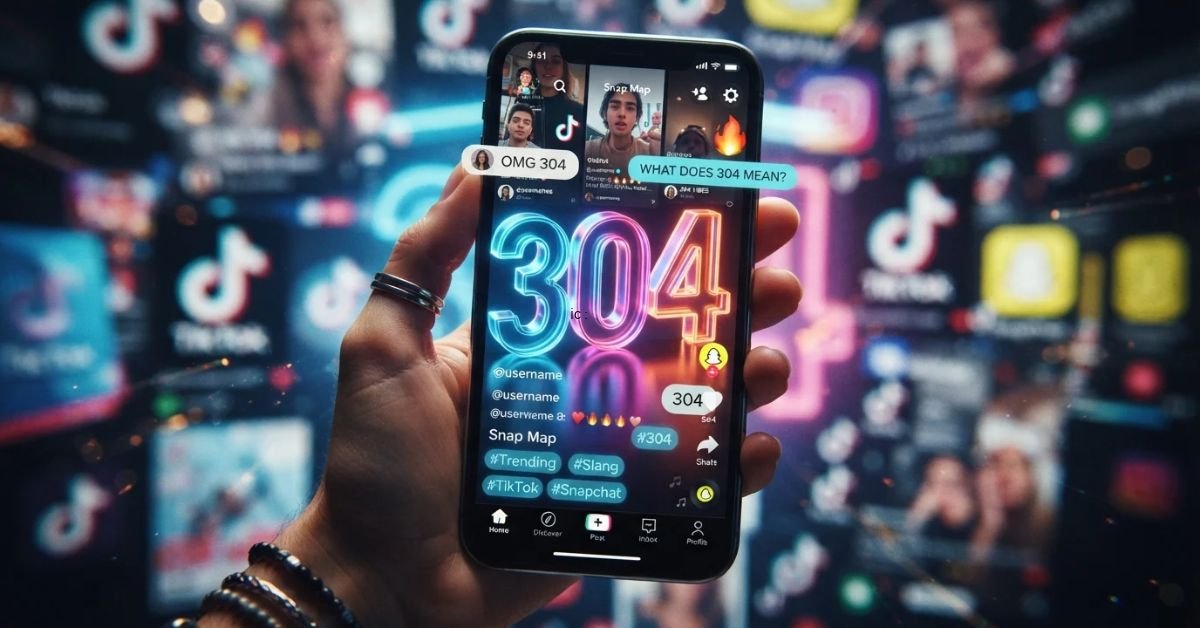
The 304 meaning on TikTok is generally the same as its meaning in texting. Users employ this numeric code in comments, captions, hashtags, and memes to refer to the word hoe without spelling it out directly.
On TikTok, you might see the term in short videos about dating culture, relationships, or online drama. Snapchat users may also use it in private messages, stories, and replies.
The number can spread through viral content when viewers recognize the reference and repeat it. However, not everyone understands the slang, especially outside the internet communities where it appears.
You may encounter 304 in these situations:
- TikTok comments: Reacting to someone’s appearance or perceived behavior.
- Snapchat chats: Teasing friends or discussing relationship drama.
- Instagram captions: Adding coded slang to a post.
- Memes and hashtags: Referring to dating stereotypes or internet jokes.
Conversation example:
- Mia: Why does this TikTok have so many 304 comments?
- Ava: People are using the number as slang, but some comments are insulting.
Although the number may look harmless, its hidden meaning can change how others interpret a post.
Why do people use 304 instead of words
People use 304 because numeric slang lets them express an idea without writing the actual word. This coded language has become part of internet culture, where users often turn numbers, abbreviations, and symbols into recognizable expressions.
One reason is subtlety. A person might use 304 to keep a message indirect or create an inside joke among friends. Others use it because unusual wording can spark curiosity and engagement.
Some users also believe numeric codes help them bypass content filters or avoid content moderation. However, replacing a word with a number doesn’t guarantee that a platform will overlook the message.
Common reasons include:
- Avoiding direct wording: The number makes the message less obvious to unfamiliar readers.
- Following trends: Users copy slang they see in viral content.
- Creating humor: Friends may use it as a teasing expression.
- Encouraging engagement: People may ask questions when they don’t understand the code.
Conversation example:
- Leo: Why did you write 304 instead of the actual word?
- Chris: It was an internet joke. I thought people would get it.
Still, coded language can cause misunderstandings. Think about your audience before using a term with an insulting meaning.
Is 304 slang offensive or harmless
The 304 slang term can be offensive because it often labels someone in a sexually judgmental way. Although some people use it playfully, others use it to shame or insult someone.
Context and tone make a difference. A joke between close friends may feel harmless if everyone understands and accepts it. However, calling a stranger a 304 in public comments can come across as disrespectful or humiliating.
The term can also reinforce unfair stereotypes about dating and relationship behavior. It doesn’t tell you anything reliable about a person’s character or private life.
Consider these situations:
- Playful use: Friends teasing each other when everyone is comfortable with the joke.
- Offensive use: Targeting someone with a sexual insult.
- Professional settings: Using the term at work or in formal conversations can damage your reputation.
- Public social media: A comment may spread widely and hurt someone beyond the original conversation.
Conversation example:
- Nina: Why did you call her a 304?
- Ella: I thought it was funny.
- Nina: She might see it as an insult, though.
When in doubt, choose respectful language. A joke isn’t harmless simply because someone intended it that way.
304 slang origin and numeric code explanation
The 304 slang origin comes from a calculator trick that turns numbers into letters. People discovered that certain digits resemble letters when you rotate a calculator display upside down.
The number 304 is commonly associated with the word hoe because the digits can resemble its letters when flipped. This visual word formation made 304 a recognizable numeric code in slang.
The idea existed before modern social media. Online communities later helped spread calculator-style wordplay through texting, memes, and digital language.
Here’s how the trick works:
- Write 304 on a calculator display.
- Turn the calculator upside down.
- Read the digits in reverse order.
- The resulting shapes resemble the letters in hoe.
This explanation describes the familiar wordplay behind the term. However, the exact history of when 304 first became popular slang isn’t established by the competitor article.
Today, the expression shows how internet slang evolves. Ordinary numbers can develop hidden meanings when online communities agree on a shared interpretation.
304 meaning vs similar slang terms
The meaning of 304 overlaps with other internet slang terms, but these expressions aren’t interchangeable. Some refer to perceived sexual behavior, while others describe dating habits or different relationship dynamics.
Understanding the differences helps you interpret comments without assuming every slang term means the same thing.
| Slang term | General meaning | Typical tone |
| 304 | Coded version of hoe | Often insulting |
| Thot | Derogatory slang for someone perceived as sexually promiscuous | Negative or mocking |
| Player | Someone who dates multiple people or avoids commitment | Neutral to negative |
| Simp | Someone portrayed as excessively devoted to another person | Teasing or critical |
The main difference is how each expression communicates its message. The term 304 uses a numeric code, while thot, player, and simp use words directly.
For example, calling someone a player usually suggests a pattern of dating behavior. Calling someone a 304 often carries a more judgmental sexual implication.
These meanings can shift across internet communities, so pay attention to context and tone. Knowing the difference between direct vs. indirect slang helps you understand online conversations without repeating hurtful labels.
Common idioms related to 304 slang

The 304 slang term often appears in conversations about dating, attraction, and relationship behavior. Several English idioms describe similar themes, such as flirting, avoiding commitment, or hurting someone’s feelings. However, these expressions don’t all carry the same meaning as 304.
Some phrases describe ordinary dating habits, while others suggest dishonesty or risky behavior. Understanding the difference helps you choose the right expression for each situation.
These idioms can help explain related ideas without relying on insulting labels:
- Dating habits: Play the field, flirt around, and no strings attached.
- Romantic behavior: Heartbreaker, Casanova type, and smooth operator.
- Dishonesty: Two timing and double dealing.
- Risky choices: Fast and loose and risky business.
Remember, these idioms provide context rather than exact synonyms for 304. Their meanings depend on the conversation and the speaker’s intent.
Play the field
The idiom play the field means dating or considering multiple people instead of committing to one partner. It often appears in casual conversations about dating choices and relationships.
Unlike 304 slang, this phrase doesn’t automatically insult someone. A person can play the field honestly while getting to know different people. The phrase usually focuses on dating freedom rather than making a negative judgment about someone’s character.
Example: Jake isn’t looking for a serious relationship right now. He’s happy to play the field.
Conversation example:
- Mia: Why isn’t Jake settling down?
- Ava: He wants to play the field for a while.
You might hear this expression when discussing modern dating culture. It can describe someone’s relationship behavior without using a harsh or disrespectful label.
Two timing
Two timing means romantically deceiving two partners, usually by secretly maintaining relationships with both. The phrase suggests dishonesty rather than simply dating multiple people openly.
This differs from 304 slang because two timing focuses on betrayal and hidden relationships. Someone who dates multiple people with everyone’s knowledge isn’t necessarily two timing anyone.
Example: Sarah discovered that her boyfriend was two timing her.
Conversation example:
- Liam: Why did Sarah end the relationship?
- Noah: She found out he was two timing her.
The phrase generally carries a negative tone because it involves broken trust. Use it when dishonesty is central to the situation, not whenever someone dates more than one person.
Love them and leave them
Love them and leave them describes someone who starts romantic relationships but leaves after a short time. The expression often suggests that the person avoids commitment or doesn’t consider a partner’s feelings.
Like 304 slang, it can appear in judgmental conversations about dating. However, the two expressions aren’t interchangeable. This idiom focuses on a pattern of leaving partners rather than serving as a coded sexual insult.
Example: Everyone warned Maya about his habit of loving them and leaving them.
Conversation example:
- Ava: Why does he never stay in a relationship?
- Mia: He has a love-them-and-leave-them reputation.
The phrase can sound critical, especially when someone repeatedly hurts their partners. Use it when the pattern of short-lived relationships matters to the conversation.
Fast and loose
The idiom fast and loose means acting carelessly, irresponsibly, or without following expected rules. People use it in different situations, including business decisions, personal choices, and relationships.
When discussing dating, it can describe someone who treats other people’s feelings carelessly. Still, the phrase doesn’t specifically mean 304, and it doesn’t always relate to romantic behavior.
Example: He played fast and loose with everyone’s trust.
Conversation example:
- Mia: Why did their relationship fall apart?
- Leo: He played fast and loose with her feelings.
This expression often carries a critical tone. It works best when you want to highlight careless behavior rather than label someone’s dating history.
Heartbreaker
A heartbreaker is someone who causes romantic disappointment or emotional pain. The term often describes a person who attracts admirers but doesn’t return their feelings or repeatedly ends relationships.
Unlike 304 slang, heartbreaker doesn’t necessarily suggest sexual behavior. Someone might earn this label simply because several people develop feelings for them.
Example: With his charm and good looks, Daniel became a heartbreaker at school.
Conversation example:
- Mia: Everyone seems to have a crush on Daniel.
- Ava: He’s a real heartbreaker.
The phrase can sound playful, admiring, or critical depending on the situation. It usually focuses on emotional consequences rather than judging someone’s sexual choices.
Casanova type
A Casanova type describes someone who seems charming, romantic, and skilled at attracting potential partners. The expression comes from the popular image of Giacomo Casanova, whose name became associated with romantic adventures.
People sometimes use this phrase to describe someone who dates frequently or avoids settling down. However, being charming doesn’t automatically mean someone behaves dishonestly.
Example: Everyone called Mark a Casanova because he always seemed to have a new date.
Conversation example:
- Noah: How does Mark meet so many people?
- Liam: He’s a Casanova type. He’s very charming.
Compared with 304 slang, this phrase can sound more playful or admiring. Its tone depends on whether the speaker praises someone’s charm or criticizes their romantic behavior.
Player mentality
Player mentality describes an approach to dating in which someone treats romantic relationships like a game. They may pursue multiple partners, avoid commitment, or focus more on winning attention than building trust.
The phrase often carries a negative meaning, especially when someone manipulates other people’s feelings. However, it doesn’t automatically prove that a person behaves dishonestly.
Example: His player mentality made it difficult for him to build a lasting relationship.
Conversation example:
- Ava: Why doesn’t he take their relationship seriously?
- Mia: He still has that player mentality.
Unlike 304 slang, this phrase describes an attitude or pattern of behavior. It can help explain relationship choices without using a coded insult.
No strings attached
No strings attached describes an arrangement without major commitments or expectations. In dating, it often refers to a casual relationship where both people agree not to pursue a serious partnership.
The phrase isn’t automatically negative or disrespectful. What matters is whether everyone understands the arrangement and agrees to it freely.
Example: They wanted a no-strings-attached relationship rather than a serious commitment.
Conversation example:
- Jake: Are you two officially dating?
- Sam: No. We agreed to keep things no strings attached.
This phrase differs from 304 slang because it describes relationship expectations rather than labeling a person. Clear communication helps prevent confusion and hurt feelings.
Hit and run
Hit and run usually refers to leaving an accident without stopping. In informal speech, people sometimes use it metaphorically to describe someone who leaves quickly after getting what they want.
When used in dating conversations, the expression can suggest careless or irresponsible behavior. However, it isn’t a direct synonym for 304 slang.
Example: He treated their relationship like a hit-and-run instead of considering her feelings.
Conversation example:
- Mia: Why did he disappear after their date?
- Ava: It felt like a hit-and-run situation.
Be careful with this expression because its literal meaning involves a serious traffic-related offense. In relationship discussions, make sure the context clearly signals a metaphor.
Double dealing
Double dealing means acting dishonestly, especially when someone hides their real intentions or works against another person’s interests. It can describe cheating, secret agreements, or misleading behavior.
In romantic situations, the phrase may refer to someone who lies to partners or conceals important information. That differs from 304 slang, which usually acts as a derogatory label.
Example: His double dealing eventually destroyed their trust.
Conversation example:
- Liam: Why did their friends stop trusting him?
- Noah: They discovered his double dealing.
This expression has a strongly negative tone. Use it when dishonesty is the main issue, rather than simply describing someone who dates casually.
Sweet talker
A sweet talker is someone who uses charming words to persuade, impress, or influence others. Depending on the situation, the person might be genuinely romantic or trying to manipulate someone.
The phrase can describe a flirtatious person, but it doesn’t automatically mean that person behaves badly. Actions matter more than charming words.
Example: He was a sweet talker who always knew how to make people smile.
Conversation example:
- Ava: How did he convince everyone so quickly?
- Mia: He’s a smooth sweet talker.
Compared with 304 slang, this phrase focuses on communication and charm. It becomes negative when someone uses compliments or promises to deceive others.
Flirt around
Flirt around means showing romantic interest in different people, often without pursuing a committed relationship. It can describe playful behavior, casual attraction, or someone who enjoys attention.
The phrase doesn’t necessarily imply dishonesty. Someone can flirt openly without misleading anyone, provided they respect other people’s boundaries.
Example: He likes to flirt around, but he’s not ready for a relationship.
Conversation example:
- Mia: Is he interested in dating seriously?
- Ava: Not really. He just likes to flirt around.
This expression can appear in conversations about dating culture and relationship expectations. Unlike 304 slang, it describes a behavior rather than assigning someone a sexual label.
Wild at heart
Wild at heart describes someone who values freedom, excitement, and independence. The phrase can refer to adventurous personalities, unconventional lifestyles, or people who resist strict expectations.
In dating conversations, it might describe someone who enjoys new experiences rather than settling into a predictable routine. However, it doesn’t automatically suggest promiscuity or irresponsible behavior.
Example: She’s wild at heart and loves traveling to unfamiliar places.
Conversation example:
- Noah: Why doesn’t she want a traditional relationship?
- Liam: She’s wild at heart and values her independence.
This phrase usually sounds positive or romantic. Unlike 304 slang, it often celebrates individuality instead of criticizing someone’s relationship choices.
Living on the edge
Living on the edge means taking risks or choosing an exciting, unpredictable lifestyle. People use it when someone regularly pushes boundaries or prefers adventure over routine.
In relationships, the phrase might describe risky decisions or an unpredictable romantic life. Still, it doesn’t specifically refer to sexual behavior or casual dating.
Example: He enjoys living on the edge and rarely follows a predictable routine.
Conversation example:
- Mia: Why does he keep making such bold decisions?
- Ava: He likes living on the edge.
This idiom can sound exciting, critical, or humorous. When discussing 304 slang, don’t confuse a person’s adventurous personality with a negative label about their private life.
Bad influence
A bad influence is someone who encourages another person to make harmful, irresponsible, or unwise choices. The phrase can describe behavior involving friendships, work, money, or relationships.
For example, someone might encourage a friend to lie to a partner or ignore agreed boundaries. However, simply dating casually doesn’t make someone a bad influence.
Example: His friends worried that the new group was a bad influence on him.
Conversation example:
- Liam: Why is her family concerned about those friends?
- Noah: They think the group is a bad influence.
Unlike 304 slang, this expression focuses on how someone’s actions affect others. Use it when there is a clear reason to describe someone’s influence as harmful.
Break hearts
Break hearts means causing someone emotional pain, usually through rejection, dishonesty, or the end of a romantic relationship. People often use the phrase when someone repeatedly disappoints romantic partners.
The expression can sound dramatic or playful. Its meaning depends on whether the speaker describes genuine emotional harm or exaggerates a situation for humor.
Example: He has a reputation for breaking hearts wherever he goes.
Conversation example:
- Ava: Why is everyone warning her about him?
- Mia: They say he has a habit of breaking hearts.
This phrase differs from 304 slang because it focuses on emotional consequences. Someone might break hearts without behaving dishonestly or having multiple relationships.
Smooth operator
A smooth operator is someone who handles social situations confidently and skillfully. In dating, the phrase often describes a person who knows how to charm potential partners.
The expression can sound complimentary, but it may also suggest manipulation when someone uses charm to get what they want. Context determines whether the description feels positive or suspicious.
Example: He was a smooth operator who could start a conversation with anyone.
Conversation example:
- Mia: How did he make such a great first impression?
- Ava: He’s a smooth operator.
Unlike 304 slang, this phrase highlights confidence and social skill. It becomes critical when the person’s charm hides dishonest intentions.
Charm offensive
A charm offensive means making a deliberate effort to win someone over through friendliness, attention, or flattering behavior. People use the phrase in politics, business, friendships, and romantic situations.
In dating, someone might use a charm offensive to repair an argument or gain another person’s interest. The phrase doesn’t necessarily imply manipulation, although it can sound strategic.
Example: He launched a charm offensive after their disagreement.
Conversation example:
- Noah: Why is he suddenly being so attentive?
- Liam: Maybe he’s trying a charm offensive to win her back.
This expression differs from 304 slang because it describes a strategy rather than a personal label. Whether that strategy feels sincere depends on the person’s actions.
Loose ends
Loose ends refers to unfinished matters that still need attention. In relationships, the phrase can describe unresolved feelings, unanswered questions, or conversations that never reached a clear conclusion.
For example, someone might still have loose ends with an ex-partner after an unclear breakup. The phrase doesn’t specifically describe dating multiple people or sexual behavior.
Example: Before starting a new relationship, she wanted to tie up a few loose ends.
Conversation example:
- Mia: Why hasn’t she moved on yet?
- Ava: She still has some loose ends with her ex.
Compared with 304 slang, this idiom is much more neutral. It helps explain unfinished relationship issues without judging anyone’s character.
Risky business
Risky business describes an action or decision that could lead to trouble or unwanted consequences. The phrase applies to money, work, friendships, and romantic relationships.
In dating, someone might use it when a person ignores clear boundaries or makes choices that could damage trust. However, the phrase doesn’t automatically mean someone has done anything wrong.
Example: Starting a relationship without discussing expectations can become risky business.
Conversation example:
- Liam: He’s dating someone without being honest about his intentions.
- Noah: That sounds like risky business.
This idiom focuses on possible consequences rather than a person’s sexual reputation. It offers a useful alternative when you want to discuss questionable behavior without resorting to insulting slang.
Practical usage of 304 slang in real life
The 304 slang term appears mainly in casual online conversations, especially when people discuss dating, attraction, or relationship drama. You might see it in TikTok comments, Snapchat messages, memes, and group chats.
People sometimes use it jokingly with close friends. Others use it as an insult toward someone they dislike. The same numeric code can therefore carry very different meanings depending on the situation.
Here are a few examples of usage:
- TikTok comment: That video has so many 304 comments.
- Private message: Why did he call her a 304?
- Group chat: Everyone was joking about the slang they saw online.
- Dating discussion: They explained the term while talking about internet culture.
Conversation example:
- Alex: Someone called me a 304 in the comments. What does that mean?
- Jordan: It’s a slang insult. They probably weren’t being respectful.
If you encounter this term, consider the context before responding. You don’t need to repeat offensive language to understand what someone means.
304 slang vs other internet slang meanings comparison
Internet slang changes quickly as people create new expressions, reuse old words, and share memes. The 304 slang term stands out because it hides its meaning behind a number rather than spelling out the word directly.
Other expressions describe different aspects of dating, attraction, or online behavior. Some are playful, while others can sound insulting. Understanding these differences helps you interpret messages more accurately.
When comparing slang terms, consider three things:
- Meaning: What does the expression actually communicate?
- Tone: Does it sound playful, neutral, or insulting?
- Context: Is it used among friends, strangers, or in public comments?
For example, player can describe someone who dates multiple people. Meanwhile, 304 usually carries a more judgmental meaning.
Comparison table of 304 slang and similar terms
This slang comparison table highlights the differences between 304 and several related expressions. Remember that online communities may use these terms differently.
| Term | General meaning | Tone level | Common context |
| 304 | Coded version of hoe | Often offensive | Texting and social media |
| Thot | Derogatory label for perceived sexual behavior | Insulting or mocking | Memes and online comments |
| Player | Someone who dates multiple people or avoids commitment | Neutral to negative | Dating conversations |
| Simp | Someone portrayed as excessively devoted to another person | Teasing or critical | Internet jokes and memes |
| Heartbreaker | Someone who causes romantic disappointment | Playful or critical | Relationships |
| Casanova | A charming person associated with romantic pursuits | Often playful | Casual conversation |
The key distinction is direct vs. indirect slang. The term 304 uses numeric code, while the other expressions use words.
Knowing the meaning doesn’t mean you need to use every term. Choose language that fits the situation and respects the people involved.
How to use 304 slang correctly
If you understand the 304 slang meaning, you can recognize it when it appears in online communication. However, recognizing a term and using it appropriately are two different things.
Because this expression can insult or shame someone, think carefully before including it in a message, caption, or comment. A joke that feels harmless to you might hurt someone else.
Follow these practical guidelines:
- Understand the meaning first: Don’t repeat slang simply because it’s trending.
- Consider your audience: Close friends may interpret a joke differently from strangers.
- Check the context: A discussion about slang differs from using the term against someone.
- Avoid professional settings: The expression can sound disrespectful at work or school.
- Use respectful alternatives: Describe specific behavior instead of labeling a person.
Conversation example:
- Jake: Should I comment 304 on that video?
- Ryan: I’d avoid it. People might take it as an insult.
The best approach is to understand the term without feeling pressured to use it. Clear, respectful language usually prevents unnecessary misunderstandings.
Common mistakes when using 304 slang
Many people misunderstand 304 slang because they see the number online without knowing its hidden meaning. Others assume that numeric slang always makes an insulting message harmless or acceptable.
These mistakes can create confusion, damage friendships, or lead to uncomfortable exchanges. Understanding the meaning before use helps you avoid those problems.
Watch out for these common mistakes:
- Assuming it’s just a number: In slang contexts, 304 can carry a specific insulting meaning.
- Treating it as harmless: The term may offend someone even when you intend a joke.
- Using it toward strangers: They may interpret the message as harassment or disrespect.
- Confusing related terms: Words like player and thot have different shades of meaning.
- Overusing it: Repeating the expression can make conversations unpleasant.
- Ignoring context: The same message may sound different among friends than in public comments.
Conversation example:
- Mia: I thought 304 was just a random number.
- Ava: Online, it can have a hidden slang meaning.
Before using unfamiliar internet slang, check its meaning and consider its impact. A little awareness can prevent misunderstandings and make your online communication more respectful.
Conclusion
Understanding 304 slang can help you make sense of online chats, TikTok comments, and social media posts. The number may look harmless, but it often carries an insulting meaning. People use 304 slang as a joke, a coded message, or a hurtful label. Its meaning comes from a simple calculator trick. Turning 304 upside down makes it resemble the word hoe. Knowing this origin helps you understand why people use it online.
Before using 304 slang, think about your words and their impact. The term can offend people, even when you intend it as a joke. Context matters, but it doesn’t make every use harmless. If you see 304 slang in a comment or message, look at the surrounding conversation. This can help you understand the speaker’s meaning. Use 304 slang carefully, and avoid labeling others with disrespectful terms. Clear and respectful communication is always a better choice.
FAQs about 304 slang meaning
What is 304 slang for?
304 slang is a disrespectful term for someone judged as sexually promiscuous. People often use it online as an insult, joke, or coded expression.
What does 304 mean on TikTok?
On TikTok, 304 usually refers to a woman in a derogatory way. Users may include it in comments, captions, memes, or viral videos.
What is a 304 woman?
A 304 woman is a woman labeled as sexually promiscuous by others. The term can sound insulting and may be used to shame someone.
What is a 304 man?
A 304 man is a man labeled as sexually promiscuous using similar slang. Its meaning depends on context, but it can still sound disrespectful.
Where did 304 slang come from?
304 slang comes from an old calculator trick involving upside-down numbers. Turning 304 around makes it resemble the word hoe.
What is a 304 worker?
A 304 worker may refer to someone labeled with this slang in online conversations. The phrase has no single established meaning without more context.
What is 16 and 304 slang?
The phrase 16 and 304 slang has no widely established meaning as a combined expression. Its meaning may depend on the specific post, chat, or community.
What does 403 mean in slang?
403 can mean different things online, depending on the context and community. Unlike 304 slang, it may refer to an access-denied error or other coded meanings.
What is 304 upside down?
When you turn 304 upside down on a calculator, it resembles the word hoe. This visual trick explains the number’s connection to 304 slang.
How is 304 used on social media?
People use 304 in TikTok comments, Snapchat messages, memes, and online chats. It can be teasing or insulting, so consider the context before using it.

Muaz is a language enthusiast and content writer at Businessleam, creating clear, helpful articles about words, meanings, grammar, phrases, and modern English.