

Ever paused while writing because you weren’t sure which spelling to use? You’re not alone! The difference between optimise or optimize can puzzle students, bloggers, professional writers, and businesses. Here’s the good news: both spellings are correct. The only difference is regional preference. American English uses “optimize,” while British English commonly uses “optimise.” Both words mean making something as good or effective as possible.
So, which spelling should you choose? It all comes down to your readers. If you’re writing for an American audience, “optimize” is usually the right fit. For British readers, “optimise” may be more suitable. Getting this small detail right helps your writing look polished and professional. Whether you’re creating blog posts, business emails, or SEO content, this guide covers the meaning, origin, spelling rules, and everyday examples. By the end, you’ll know exactly which version to use.
Optimize or Optimise – Quick Answer
The difference between optimise or optimize comes down to regional spelling preferences. Both words are correct and share the same meaning. The main difference is where you use them.
- Optimize: American English spelling, commonly used in the United States (US).
- Optimise: British English spelling, commonly used in the United Kingdom (UK).
- Meaning: To make something as good, effective, or useful as possible.
For example, US businesses often write about website optimization. UK-based companies may use website optimisation instead.
Neither spelling is wrong. Your target audience determines which version works best.
Examples:
- US: We need to optimize our website speed.
- UK: We need to optimise our website speed.
- US: This tool helps improve workflow efficiency.
- UK: This tool helps improve workflow efficiency.
Quick tip: Choose one spelling style and use it consistently throughout your writing.
The Origin of Optimize or Optimise
The word optimize or optimise has roots in the Latin word optimus, which means “best.” Its original idea relates to making something better or achieving the best possible result.
The word later entered English through French and developed into the form used today. Over time, spelling conventions began to differ between American and British English.
American English generally favors -ize endings, while many British style guides prefer -ise endings.
Related examples include:
- American: organize, realize, optimize
- British: organise, realise, optimise
These spelling variations don’t change the meaning of the words. They simply reflect different writing conventions.
For example, a blogger in New York might optimize a website for speed. A writer in London might optimise the same website.
Both describe the same process. The choice depends on the preferred spelling system.
British English vs American English Spelling
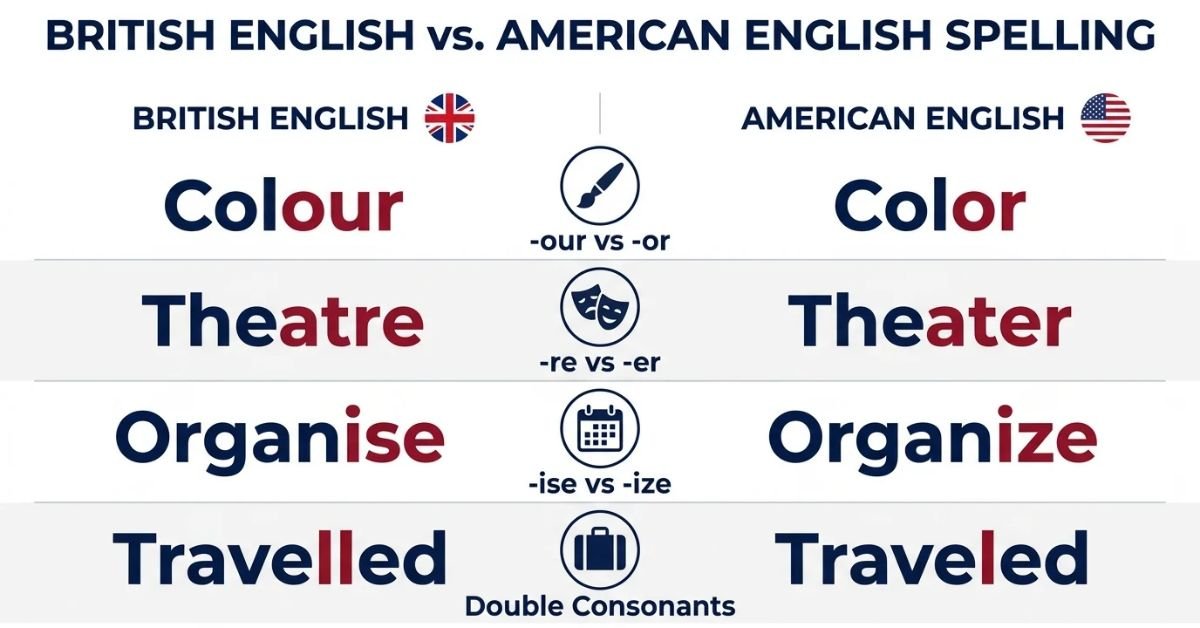
American English and British English follow different spelling conventions. The difference between optimise or optimize is one common example.
American English usually favors -ize endings. British English often uses -ise endings, although some British style guides accept -ize.
| Feature | American English | British English |
| Preferred spelling | Optimize | Optimise |
| Common ending | -ize | -ise |
| Related word | Organize | Organise |
| Another example | Realize | Realise |
| Meaning | Make better | Make better |
| Common setting | US English | British English |
One important exception is the Oxford style guide, which commonly uses -ize in words where that suffix is appropriate.
Therefore, don’t assume every British writer must use optimise. Always check your chosen style guide.
Which Spelling Should You Use?
Choosing between optimise or optimize becomes easier when you consider your readers. Your audience, location, and writing purpose should guide your decision.
If you write for American customers, optimize usually feels natural. If you target British readers, optimise may better match their expectations.
Consider these factors before choosing:
- Target audience: Where do most readers live?
- Writing purpose: Are you writing a blog, email, report, or academic paper?
- Style guide: Does your organization follow American or British conventions?
- Consistency: Do you use the same spelling throughout the article?
For example, a US business might write, “We optimize every workflow to improve efficiency.”
A UK-based company could write, “We optimise every workflow to improve efficiency.”
Both sentences are correct. The key is choosing the spelling that suits your readers.
Use Optimize if:
Choose optimize when your content follows American English spelling conventions. This version is standard in the United States and widely used across American business and technology writing.
It’s a practical choice for US-focused websites, professional documents, and digital marketing campaigns.
Use optimize when:
- Your target audience lives in the United States.
- You write for US businesses or American customers.
- Your spellcheck uses a US English setting.
- Your company follows an American style guide.
- Your SEO writing targets American search queries.
Conversation example:
Editor: “Should we use optimize in this article?”
Writer: “Yes. Our readers are mainly in the US, so American English makes sense.”
Remember that the correct spelling alone won’t improve rankings. Relevant information, useful content, and a good reader experience matter too.
Use Optimise if:
Choose optimise when your writing follows British English spelling conventions. This form is common in the United Kingdom and appears in publications that prefer -ise endings.
It can also suit readers in other English-speaking regions, depending on local preferences and the style guide they follow.
Use optimise when:
- Your target audience is primarily in the UK.
- Your organization follows a British style guide.
- Your publication uses organise and realise.
- Your language settings follow British English conventions.
- Your content is intended for readers who expect British spelling.
Conversation example:
Editor: “Should we write optimize or optimise?”
Writer: “Let’s use optimise. Our publication follows British English.”
Keep in mind that Australia, Canada, and New Zealand have their own conventions. Check the preferred style instead of assuming every Commonwealth audience follows one rule.
For Global Websites
Global websites often serve readers from several countries. That makes choosing between optimise or optimize a little more complicated.
The simplest approach is to select a primary spelling style and apply it consistently. You can then create localized pages when different audiences need different language conventions.
For example:
- US page: “Optimize your website speed.”
- UK page: “Optimise your website speed.”
- Global blog: Follow one clearly defined spelling style.
- Regional landing pages: Match the language preferences of each target audience.
Consistency helps maintain credibility and creates a more polished reading experience.
If you manage several global websites, document your spelling rules. Set the appropriate spellcheck language for each version.
Don’t switch between optimize and optimise without a clear reason. A consistent style makes your content easier to maintain.
Common Mistakes with Optimize or Optimise
Writers sometimes assume one spelling is incorrect. In reality, both optimise or optimize are accepted forms, depending on the spelling convention.
The bigger problem is using the wrong spelling for your chosen style or mixing different conventions without noticing.
Watch out for these common mistakes:
- Mixing spelling styles: Using organize and optimise in the same article without a style-based reason.
- Assuming one form is always wrong: Both spellings are correct in their appropriate contexts.
- Using incorrect spellings: Optamize and optimyze are misspellings of the standard word.
- Ignoring spellcheck settings: Your software may flag a valid spelling because it uses another regional dictionary.
- Changing spelling inside quotes: Preserve the original spelling when quoting a source directly.
Conversation example:
Writer: “My spellcheck says optimise is incorrect.”
Editor: “Check the language settings. Your software may be set to US English.”
Before publishing, proofread your work. Correct spelling and consistent grammar help your writing look professional.
Optimize or Optimise in Everyday Examples

Everyday examples make the difference between optimise or optimize easier to understand. Both words describe improving something to make it more effective or useful.
The spelling changes according to the writing style, but the meaning stays the same.
You might encounter these words in business emails, news reports, social media posts, and formal documents.
Here are several practical examples:
- US: We need to optimize our workflow.
- UK: We need to optimise our workflow.
- US: The team wants to optimize production costs.
- UK: The team wants to optimise production costs.
These examples show how the spelling changes without affecting the message.
Emails often include requests to improve a process, report, or project. Choosing optimize or optimise depends on the language style used by your workplace.
For an American company, optimize is usually the natural choice. A British organization may prefer optimise.
American English example:
“Could you optimize the report before Friday? We need to improve its clarity and efficiency.”
British English example:
“Could you optimise the report before Friday? We need to improve its clarity and efficiency.”
Both messages communicate the same request.
When writing professional emails, check your company’s preferred spelling. Consistency helps your communication look clear and polished.
News
News articles use both spelling variations depending on the publication’s location and editorial standards. American news outlets generally prefer optimize, while many British publications use optimise.
For example:
- US: The company plans to optimize its production costs.
- UK: The company plans to optimise its production costs.
- US: Engineers developed a tool to optimize energy use.
- UK: Engineers developed a tool to optimise energy use.
The spelling doesn’t change the facts or the intended meaning.
If you’re writing a news report, follow the publication’s style guide. Don’t change spelling conventions simply because another outlet uses a different form.
Social Media
Social media posts often use simple, direct language. The right spelling still depends on your audience and the account’s preferred style.
American creators may write optimize, while British creators may choose optimise. Both forms work in captions, professional posts, and digital marketing updates.
Example captions:
- US: “Time to optimize my morning routine!”
- UK: “Time to optimise my morning routine!”
- US: “Let’s optimize our content strategy.”
- UK: “Let’s optimise our content strategy.”
If you manage a global brand, decide which spelling fits your main audience. Use that choice consistently across posts and profile descriptions.
Formal Writing
Formal writing requires careful attention to spelling, grammar, and consistency. Students, researchers, businesses, and professional writers should follow the relevant style guide.
For US academic papers and business reports, optimize is generally appropriate. British publications may prefer optimise, depending on their editorial rules.
Examples:
- US: “The proposed method will optimize system performance.”
- UK: “The proposed method will optimise system performance.”
- US: “This strategy aims to optimize operational efficiency.”
- UK: “This strategy aims to optimise operational efficiency.”
If you’re preparing for exams, follow your instructor’s spelling requirements. When quoting a source, keep its original spelling unless the applicable editorial rules require otherwise.
Optimize or Optimise – Google Trends & Usage Data
Search trends can help explain why people search for optimise or optimize. Regional spelling preferences often influence the words people type into Google.
In general, optimize is associated with American English searches, while optimise is associated with British English searches. However, the exact search volume can change over time and across locations.
If you’re researching this topic, Google Trends can help compare interest by region and time period.
Consider these points when interpreting usage data:
- Location: Compare searches from the US and UK separately.
- Time period: Check whether interest changes over months or years.
- Search volume: Don’t confuse relative search interest with exact search counts.
- Audience: Choose wording that matches the readers you want to reach.
- Consistency: Maintain a clear spelling style throughout your content.
For SEO writing, one spelling isn’t automatically better. Useful content and audience relevance matter more than simply choosing the version with more searches.
Comparison Table: Optimize vs Optimise
The following table summarizes the main differences between optimise or optimize. Use it as a quick reference when editing articles, business documents, emails, or website content.
| Feature | Optimize | Optimise |
| Spelling system | American English | British English |
| Common region | United States | United Kingdom |
| Word ending | -ize | -ise |
| Meaning | Make something better | Make something better |
| Grammar | Verb | Verb |
| Correct spelling? | Yes | Yes |
| Typical use | US-focused writing | British-style writing |
| Example | Optimize website speed | Optimise website speed |
| SEO use | Suitable for US audiences | Suitable for British audiences |
Which should you choose? If your readers expect American English, use optimize. If they expect British English, use optimise.
For global websites, choose a consistent house style and localize content when needed. Both spellings can communicate the same idea clearly and professionally.
FAQs
1. Is optimize correct?
Yes, optimize is correct in American English. When choosing optimise or optimize, consider your audience and follow consistent spelling rules.
2. Is optimise wrong?
No, optimise is correct in British English. The choice between optimise or optimize depends on your region, audience, and writing style.
3. Which spelling is better for SEO?
Neither spelling is always better for SEO. Choose optimise or optimize based on your target audience and use it consistently.
4. Can I use both in one article?
Yes, but mixing spellings may confuse readers. Choose optimise or optimize and stick with one style throughout your article.
5. Why does my spellcheck change it?
Your spellcheck may use different language settings. Set it to US or UK English to manage optimise or optimize correctly.
6. Do they mean the same thing?
Yes, optimise and optimize have the same meaning: making something as effective as possible. Only the regional spelling differs.
7. Which spelling does Google prefer?
Google does not universally prefer either spelling. Use optimise or optimize naturally, based on your audience and the search terms they use.
Conclusion
Choosing optimise or optimize can seem confusing at first. However, both spellings are correct and have the same meaning. The main difference comes from regional spelling rules. American English uses optimize, while British English commonly uses optimise. Your choice should depend on your target audience and writing style.
When writing blogs, emails, business reports, or SEO content, keep your spelling consistent. If your readers are mainly from the United States, choose optimize. For British readers, optimise is often the better choice. Neither spelling is automatically better for SEO. Focus on clear, useful content that meets your readers’ needs. Now that you understand optimise or optimize, choosing the correct version is much easier. Follow your preferred English style, check your language settings, and avoid mixing spelling variations without a reason. Consistency helps your writing look clear, polished, and professional.

Muaz is a language enthusiast and content writer at Businessleam, creating clear, helpful articles about words, meanings, grammar, phrases, and modern English.